
Subsidies
Tractor Subsidies: Check Eligibility and Apply Safely
Tractorbandhu Editorial · 29 October 2026
Use official guidelines and state notices to check the applicant category, eligible machine and approval process before buying.
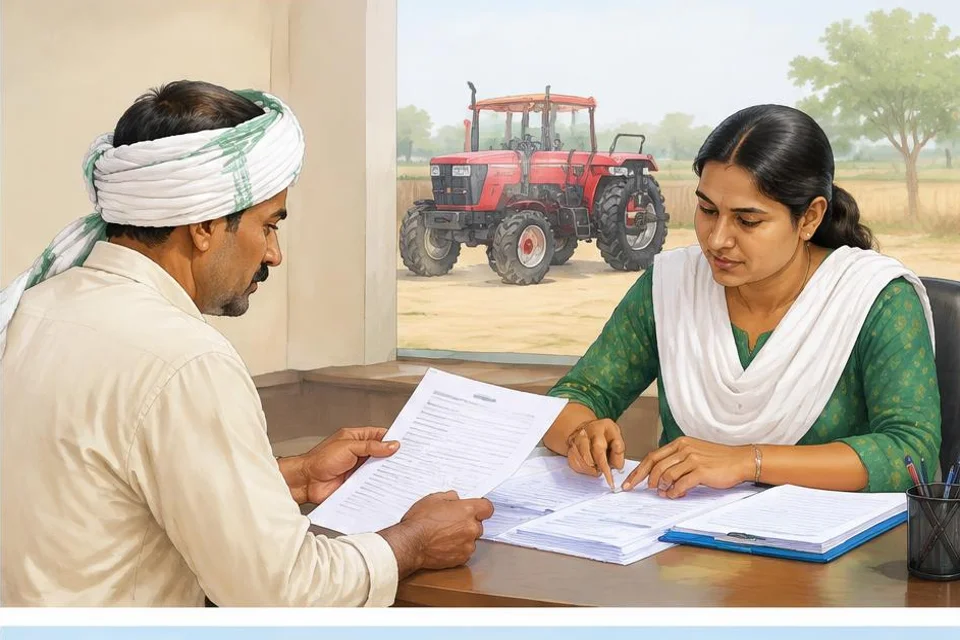
AI-generated illustration · Not a specific model photograph
Start with the scheme, not a subsidy headline
A claim that every farmer receives a tractor subsidy is unsafe. Agricultural mechanisation support operates through defined components, beneficiary categories, eligible machines and implementation arrangements. Start with the official state agriculture department notice for your district and financial year. The Government of India's SMAM 2026 guidelines provide the national framework, while local availability depends on the applicable programme and administrative process. A dealer advertisement, old news report or social-media video cannot establish your entitlement or confirm that applications are currently open.
Identify the correct applicant and machinery category
Ask whether the opportunity is for individual farmers, farmer groups, custom hiring centres or another recognised applicant type. These routes are not interchangeable. The SMAM 2026 framework distinguishes individual ownership from shared-service arrangements and discourages individual distribution of certain expensive machines, including tractors above the specified power threshold. Check the relevant machine entry and conditions rather than assuming all tractors qualify. Applicant category, farm size, location, previous assistance and the proposed model can affect the assessment. Do not change facts to fit a more favourable category.
Understand limits, targets and selection
An assistance percentage, where applicable, is not necessarily applied to every rupee on a dealer's invoice. Scheme ceilings, eligible cost definitions and machine-specific conditions matter. The central-state funding-sharing pattern is not the farmer's subsidy percentage. The SMAM 2026 guidelines describe state or district beneficiary identification and an online lottery approach where applications exceed targets. Registration alone therefore does not reserve a benefit. Ask the implementing office about available targets, the selection process and any previous-benefit restrictions before making a financial commitment.
Prepare accurate registration and supporting records
The official farm machinery DBT FAQ lists Aadhaar, land records, a photograph, bank-passbook details, another identity proof and category certification where applicable among farmer-registration documents. It also stresses correct location, category and farmer details. Follow the current portal's checklist because workflows can change. Keep land and bank information accurate and ensure the account details belong to the intended beneficiary. If an IFSC or branch entry is missing, the FAQ directs users to the state nodal officer rather than inventing an entry or using someone else's account.
Confirm the approval-to-payment sequence before buying
Ask whether purchase must follow selection, a permit or a formal approval, and obtain the answer from the implementing authority. Do not assume an earlier purchase will be reimbursed. Verify that the model and supplier meet the scheme's requirements. Ask which invoices, payment evidence, machine identification, photographs or inspections will be needed. The DBT FAQ describes farmer or dealer receipt of subsidy within its workflow, so confirm the current payment route rather than assuming money always reaches your account first. Keep the application number and every acknowledgement.
Protect your documents and plan for uncertainty
Open the official portal yourself or use an authorised assistance centre. Never pay a stranger for guaranteed selection or share banking passwords, PINs or OTPs. Ask for receipts for any legitimate service payment and verify suspicious messages with the department using independently obtained contact details. Keep copies of the notice, application and approval. Budget for the purchase and loan repayments without treating an unapproved subsidy as cash in hand. If rejected or delayed, use the official grievance route and request a written explanation rather than paying for a promised shortcut.