
Buying Guide
Mini Tractors: What to Check Before Buying
Tractorbandhu Editorial · 29 October 2026
Measure orchard access, verify implement and PTO compatibility, and compare the full cost of a compact tractor.
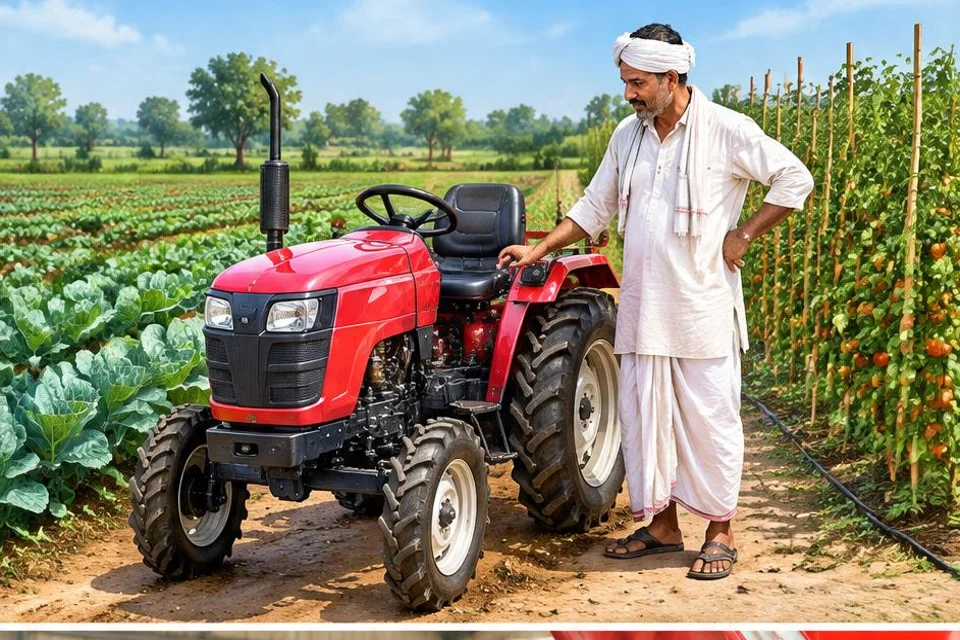
AI-generated illustration · Not a specific model photograph
1. Define why you need a compact tractor
By Tractorbandhu Editorial. A mini tractor should solve an access or workload problem, not merely offer a smaller purchase. List the jobs between crop rows, around trees and inside protected or restricted spaces. Mahindra’s mini-tractor guide identifies orchards, vineyards and row-crop operations as important compact-tractor applications. However, a compact label does not establish suitability for every farm. Separate regular jobs from occasional heavy work that could be hired out. Compare the ownership commitment with those actual jobs before deciding that buying is the best option.
2. Measure the tightest point with the implement included
Record the narrowest usable row width, gate opening, shed clearance and turning area. Account for branches, irrigation pipes and the space occupied by the attachment, not just the tractor body. Ask the dealer for dimensions with the proposed tyre configuration. During a supervised demonstration, check whether a turn can be completed without reversing into crops or approaching unsafe edges. Do not remove protective structures to squeeze through a low opening; discuss an approved solution with the manufacturer or choose equipment that fits the working environment.
3. Match smaller implements rather than guessing
Existing equipment from a larger tractor may not be suitable for a mini tractor. Record each attachment’s weight, working width, recommended tractor and PTO power, hitch category and hydraulic requirements. Mahindra’s implement guide specifically highlights PTO, hydraulic output and attachment compatibility. Lift capacity alone is not permission to transport or operate an implement: its centre of gravity and the tractor’s approved limits also matter. Ask for written compatibility confirmation and have the dealer demonstrate the intended combination, rather than accepting a statement that any small rotavator will fit.
4. Compare usable control, traction and PTO features
Try the seat, pedals, steering and hydraulic levers with the person who will normally drive. Check visibility near trees and the ability to select an appropriate low travel speed. Ask whether the particular PTO and clutch arrangement suits spraying, mowing or soil preparation, and whether required hydraulic outlets are provided. Consider 4WD if soft ground or recurring wheel slip is a genuine issue, but compare exact models rather than assuming all compact tractors have it. Narrow dimensions and extra driven wheels do not make unsafe slopes acceptable.
5. Inspect service access and the ownership package
Ask the dealer to show routine inspection points using the operator’s manual, with the engine stopped. Check whether local technicians stock the correct filters, belts, seals and tyres for the exact variant. Request an itemised quotation for the tractor, compatible implements, approved accessories, delivery and applicable statutory charges. Add servicing, insurance, finance fees and storage to the budget. Obtain warranty exclusions and service intervals in writing. A lower initial price may not be worthwhile if essential equipment is omitted or seasonal repairs require a long journey to a specialist workshop.
6. Arrange a realistic demonstration and safe handover
Use an authorised, supervised demonstration in a suitable area with the intended attachment and representative conditions. Observe turning clearance, control effort and whether the combination maintains its specified working setting; do not deliberately overload it. Before inspecting, connecting or cleaning equipment, park securely, lower it safely, disengage and isolate PTO, stop the engine, remove the key and wait for complete standstill. Keep all driveline shields fitted. At delivery, check the exact configuration, manuals, invoice and warranty. Select for verified fit and manageable cost, without expecting guaranteed fuel savings or crop protection.